Ben Shirken & Eugene Jung
P by sangheeut and lower_cavity
The Malt House. 461 W. 126th Street, New York
10.16.26 - 11.15.26
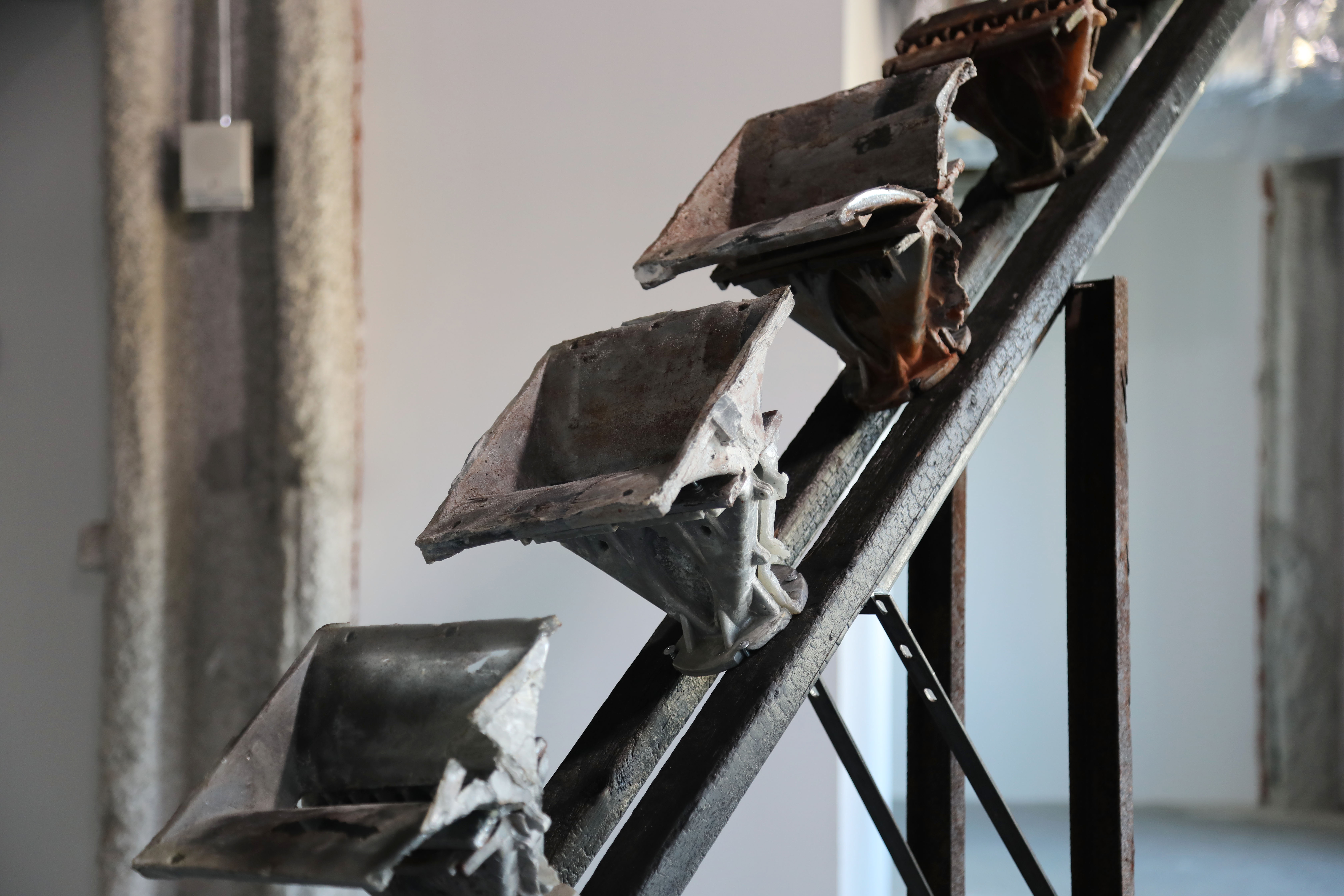
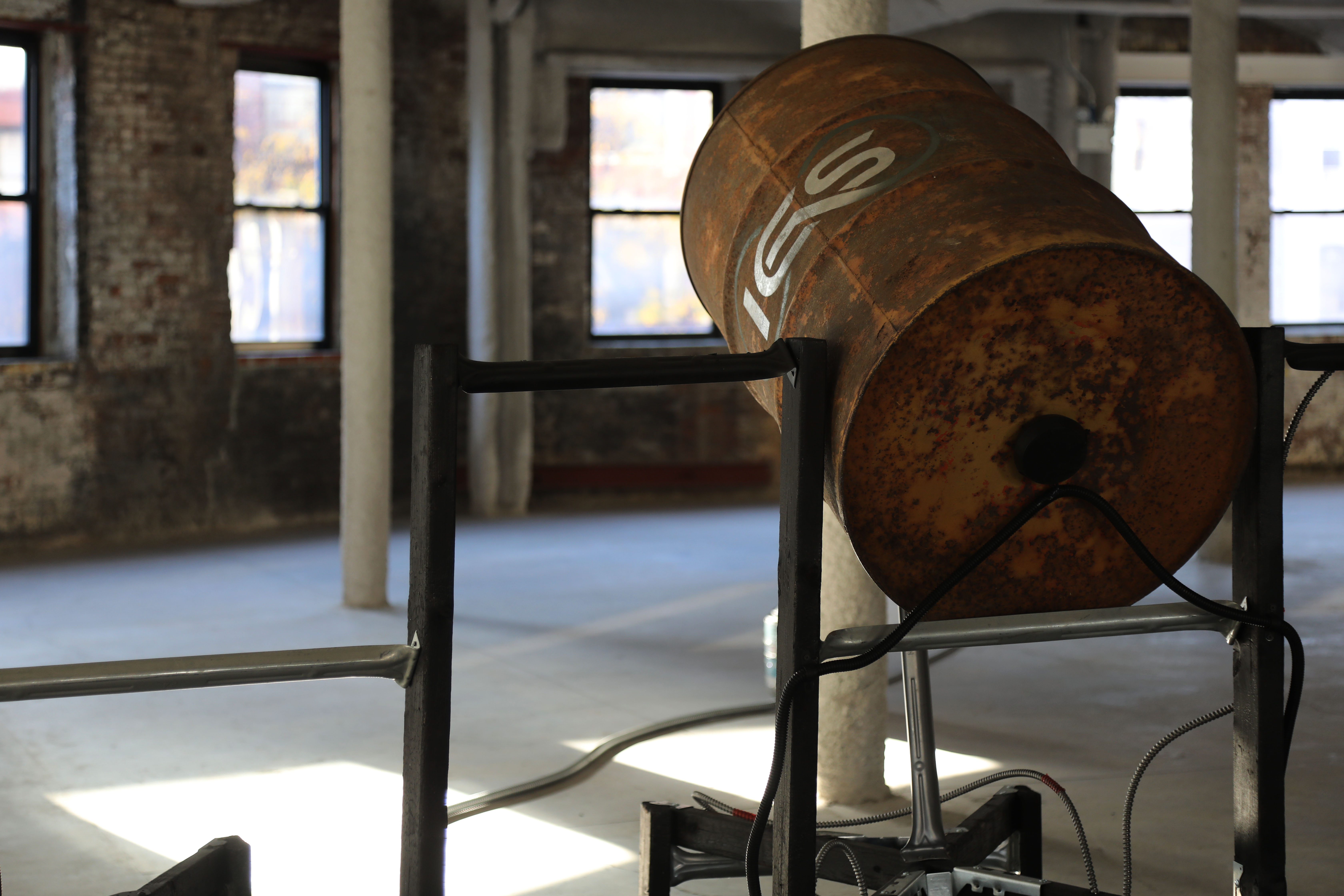
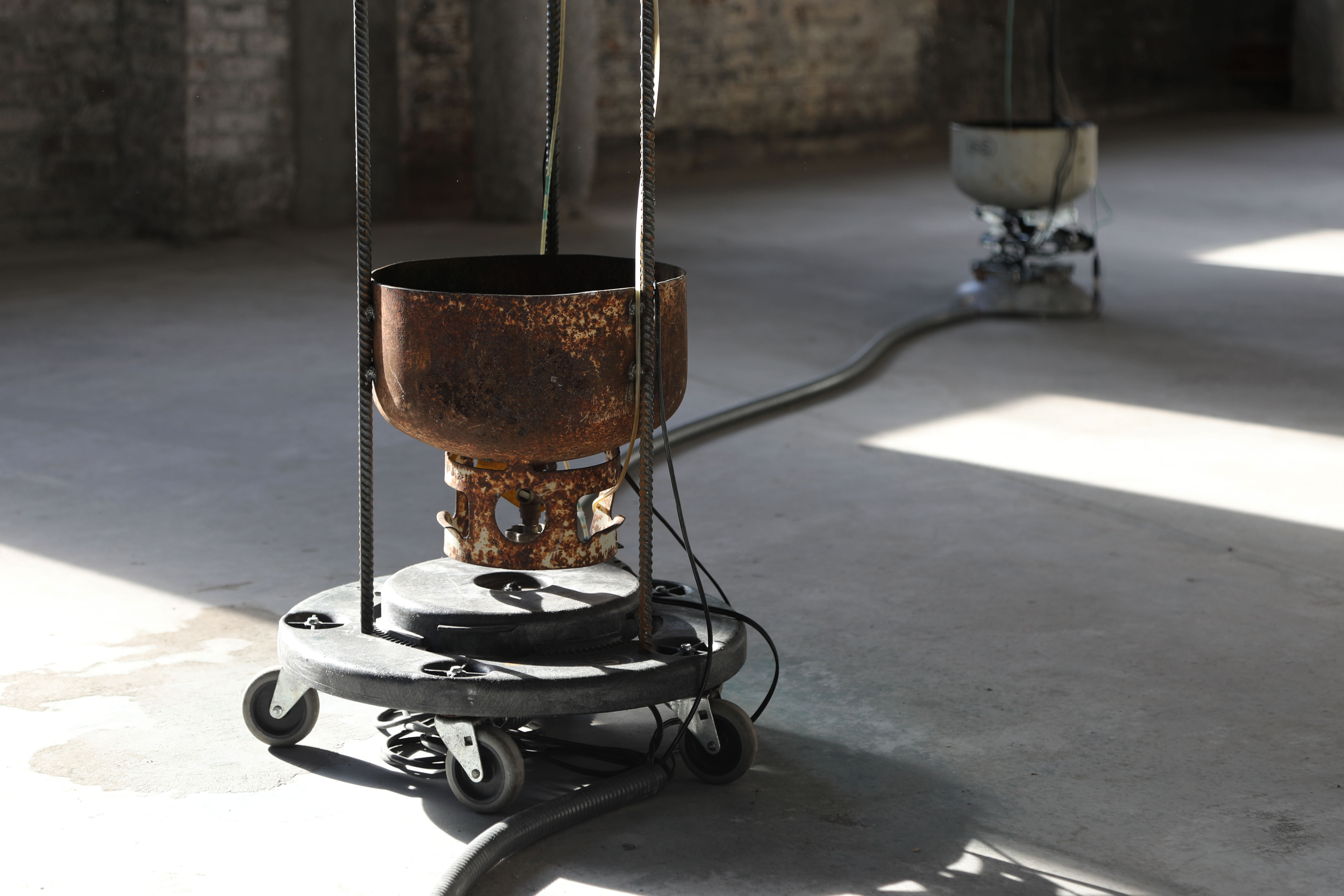
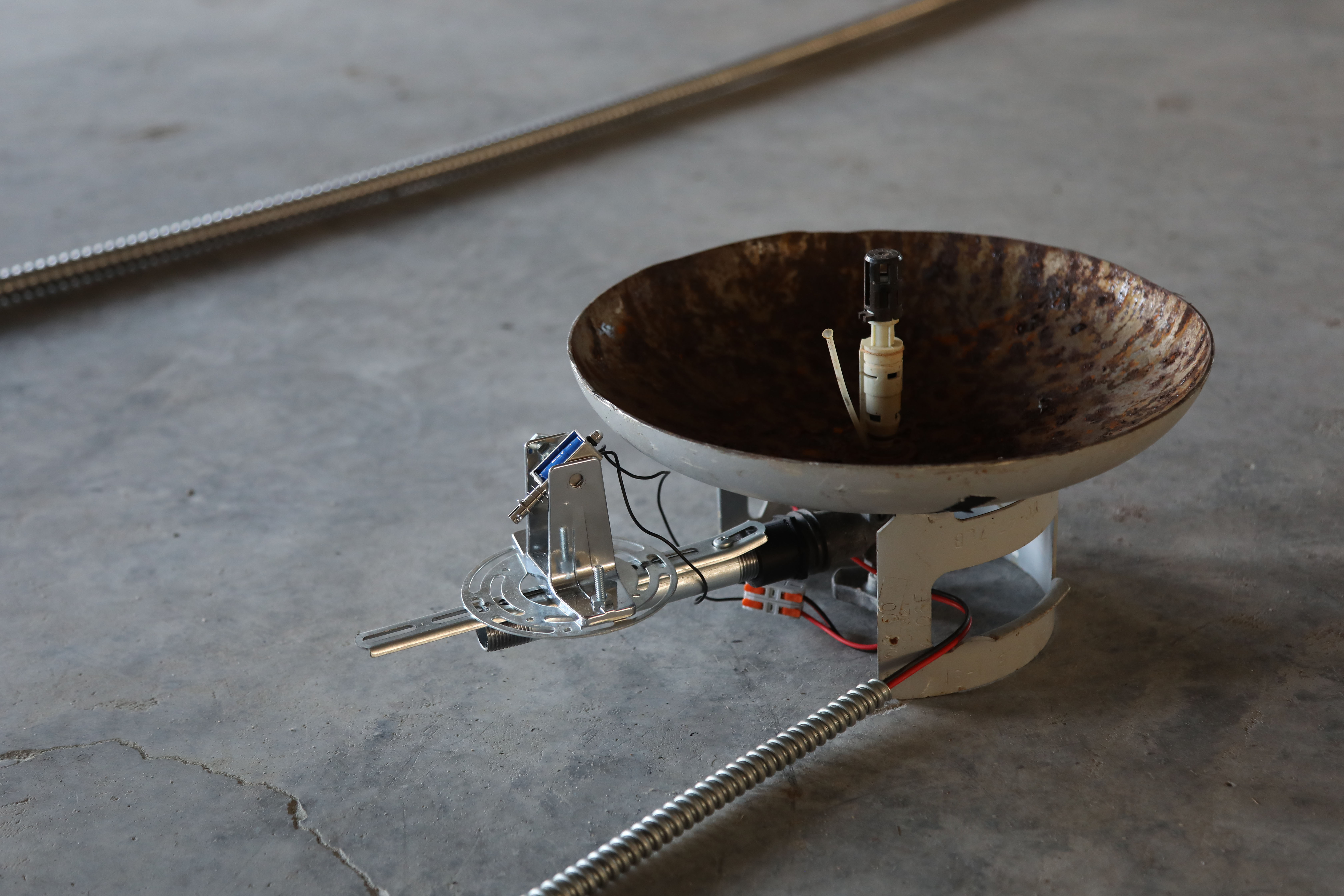
Infinite Energy Hack is an off-site collaboration between sculptor Eugene Jung and Ben Shirken. At the project’s center is the sustainability-driven EcoTech startup Infinite Energy Solutions (IES), founded by Jung and Shirken as a speculative container for their inquiry into emergent relationships between humanity, technology, and the environment. Headquartered in a reclaimed industrial site in Harlem’s Factory District and Innovation Triangle, IES is committed not only to researching actionable solutions for the production of limitless energy, but to actively embedding them within real-world operations.
Infinite Energy Hack is informed by the cognitive hazards associated with what theorist Timothy Morton calls hyperobjects: phenomena so massively distributed in space and time that humans cannot perceive or even fully comprehend them (”Global Warming;” “The Supply Chain”). Because we exist as a part of hyperobjects, our attempts to understand them are bound up with the very systems that sustain them, and are therefore subject to their limitations.
In order to effectively navigate such structures, IES advocates for resistance to the deeply embedded anthropocentrism of conventional thought, and a recognition that even non-living materials possess their own forms of agency. Philosopher Jane Bennett argues that any action is rarely just a human endeavor; instead, it occurs through “agentic assemblages”--structures produced by the complex interactions of human activity, non-human systems, and environmental forces. Infinite Energy Hack is such a structure; manifested through a proprietary IES interface that allows emergent forms of the near-future to be projected into the present.
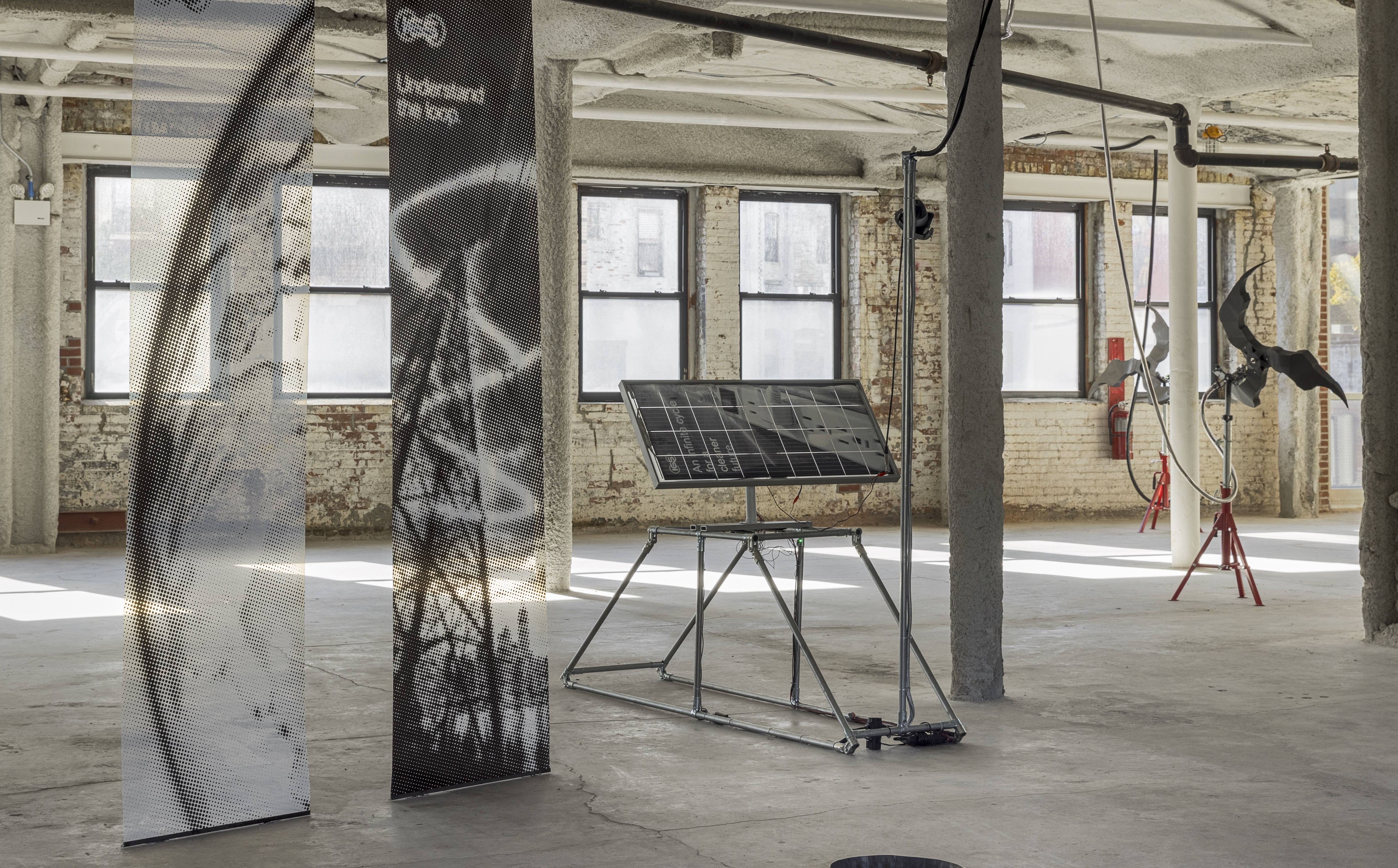
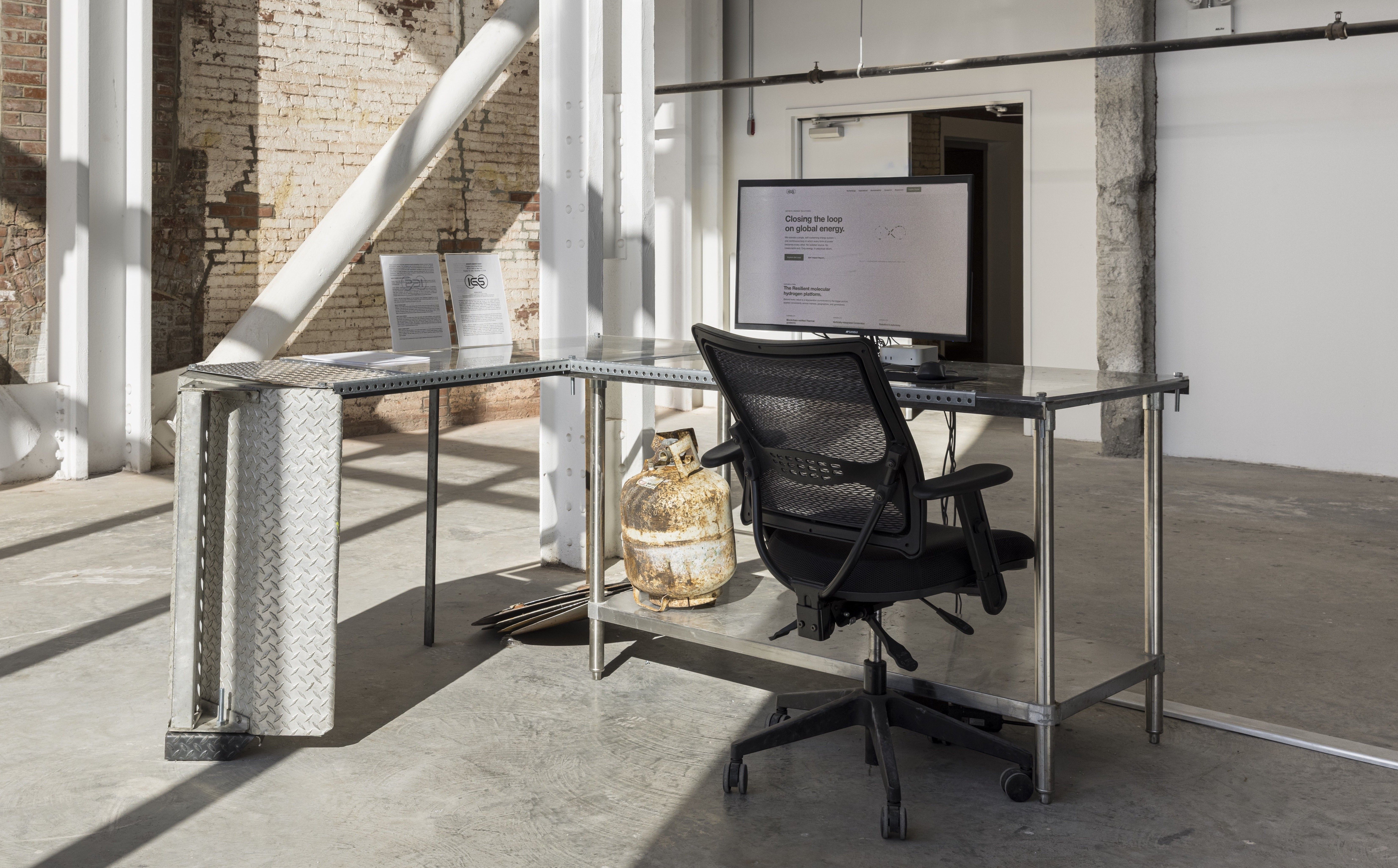
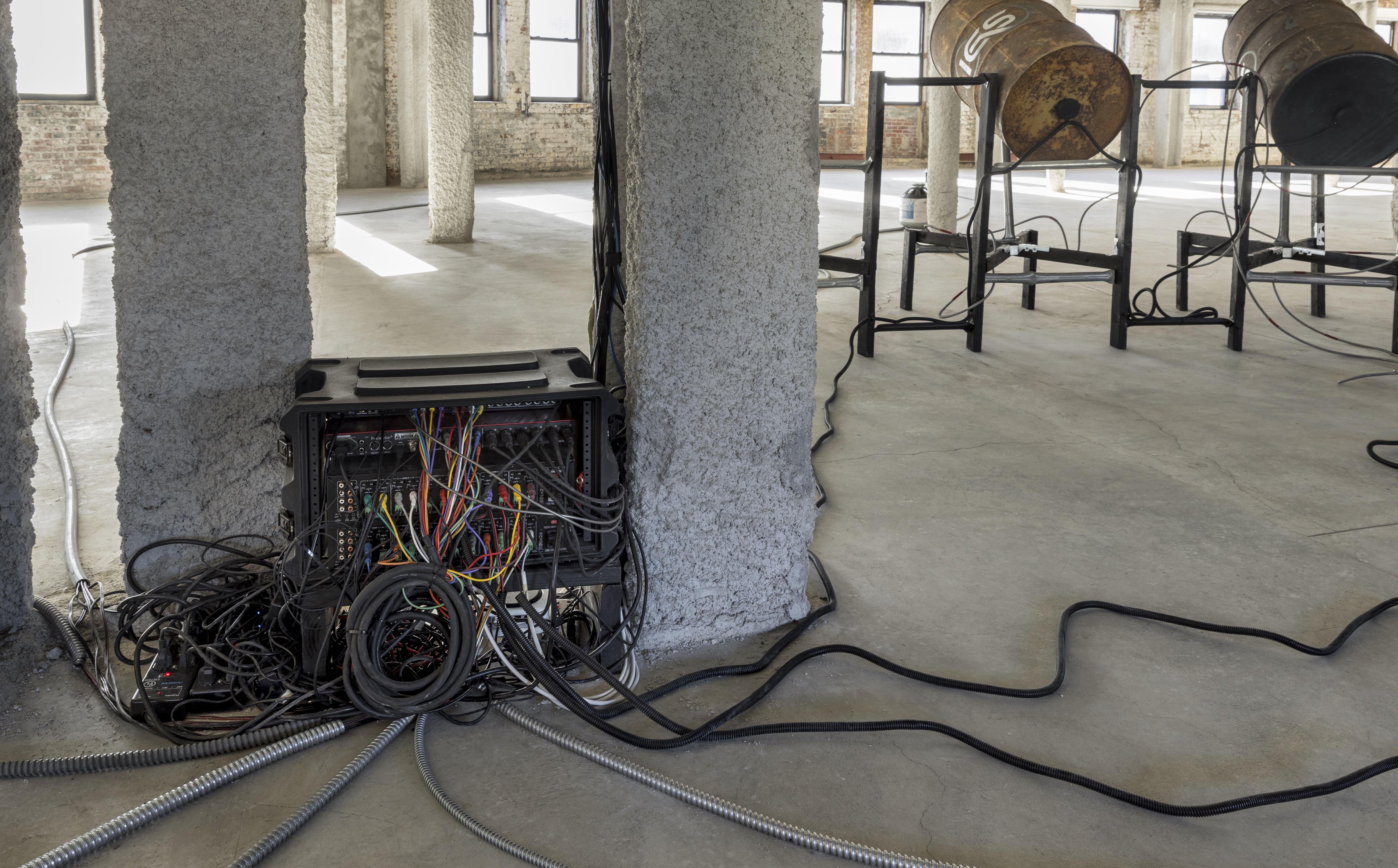
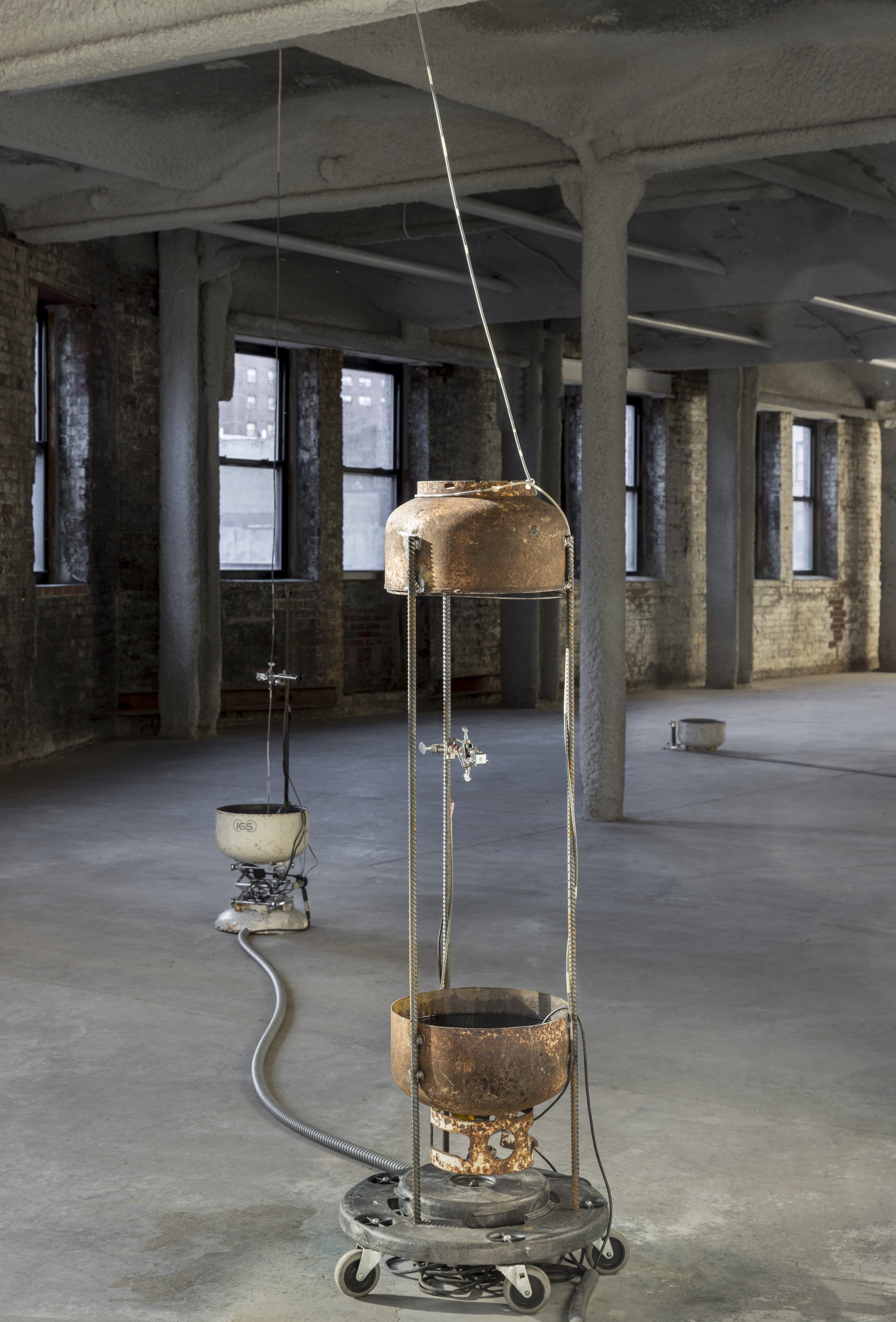
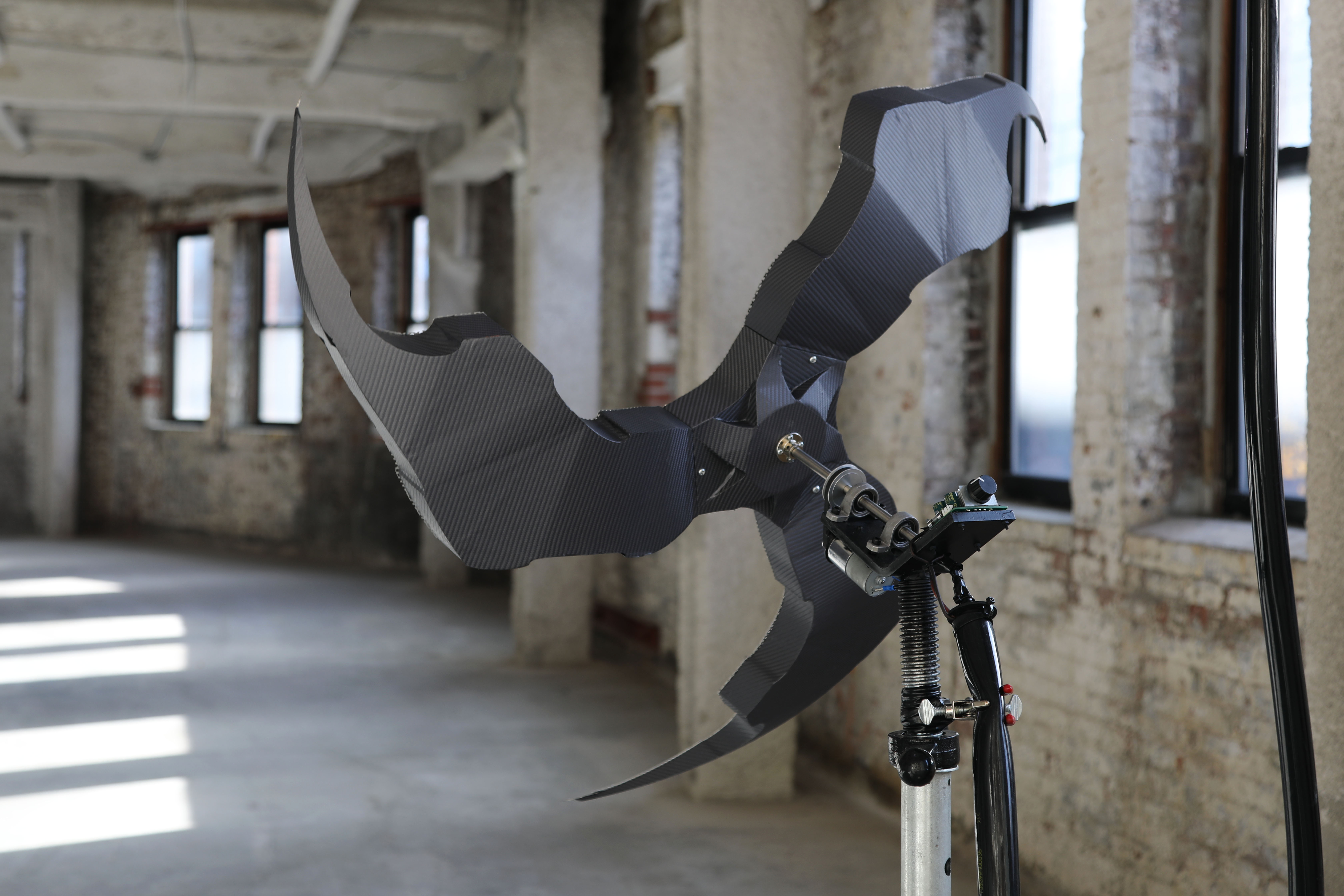
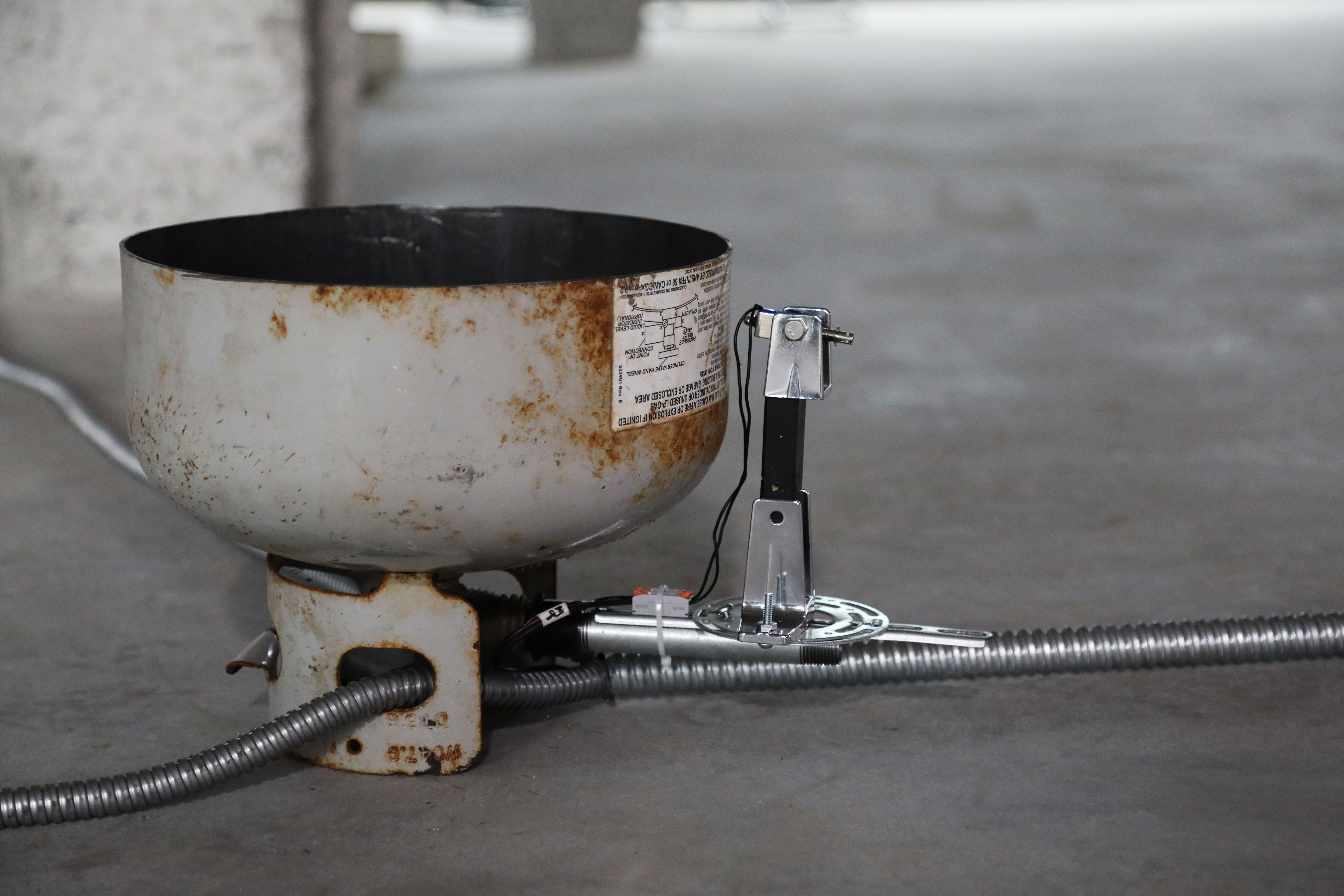
Visitors entering IES’s temporary operations hub first encounter a desktop computer displaying the company’s website. This workstation also functions as the nerve center for the agentic experiments unfolding throughout the space. The sounds of these tests emanate throughout the room: liquid-powered windmills emit alert transmissions, repurposed gas tanks and oil drums communicate encrypted messages to one another, and solar panels convert light into electrical interference. These interconnected objects constitute a collective entity, continually articulating the operational sounds of their own functioning.